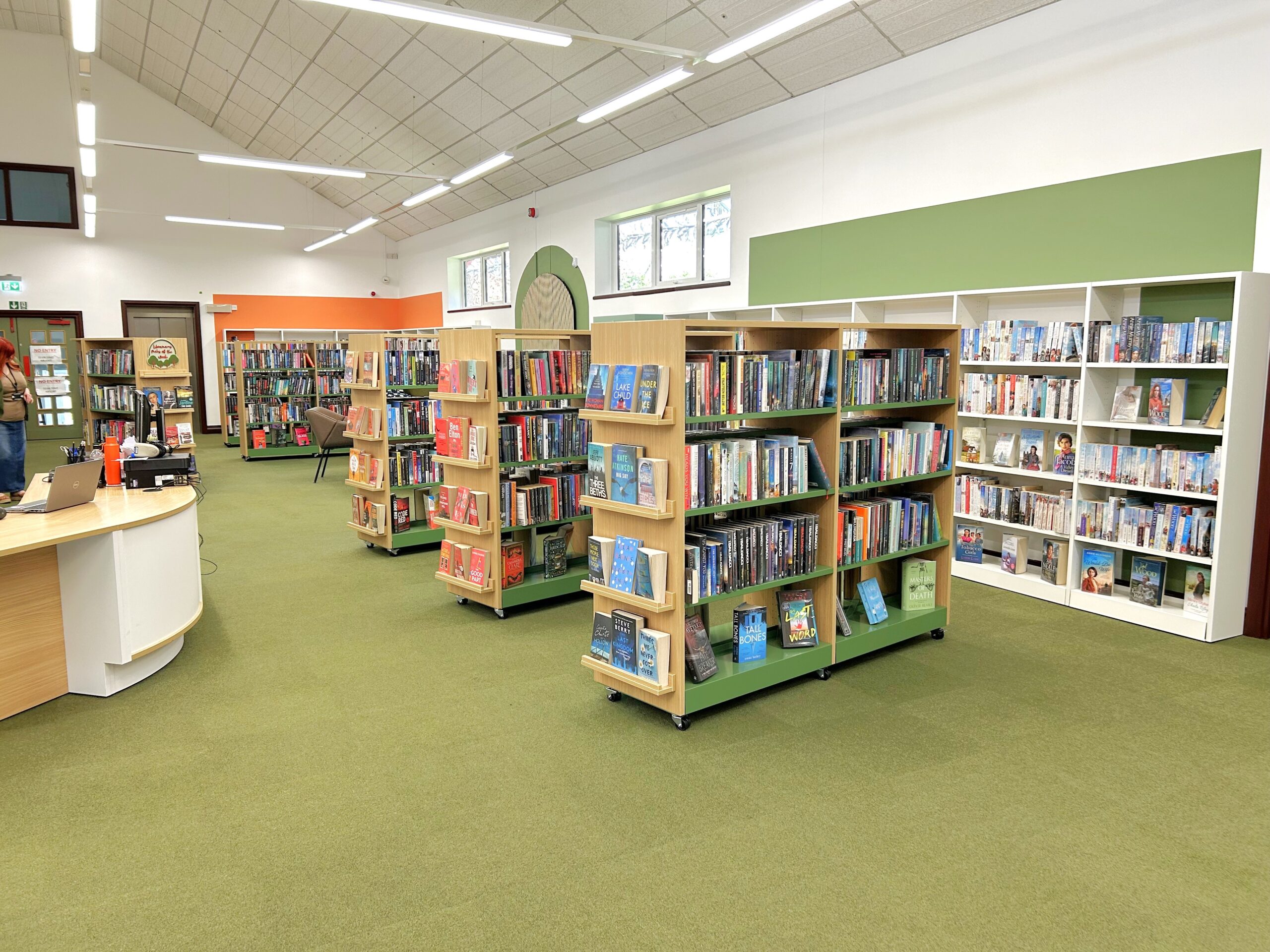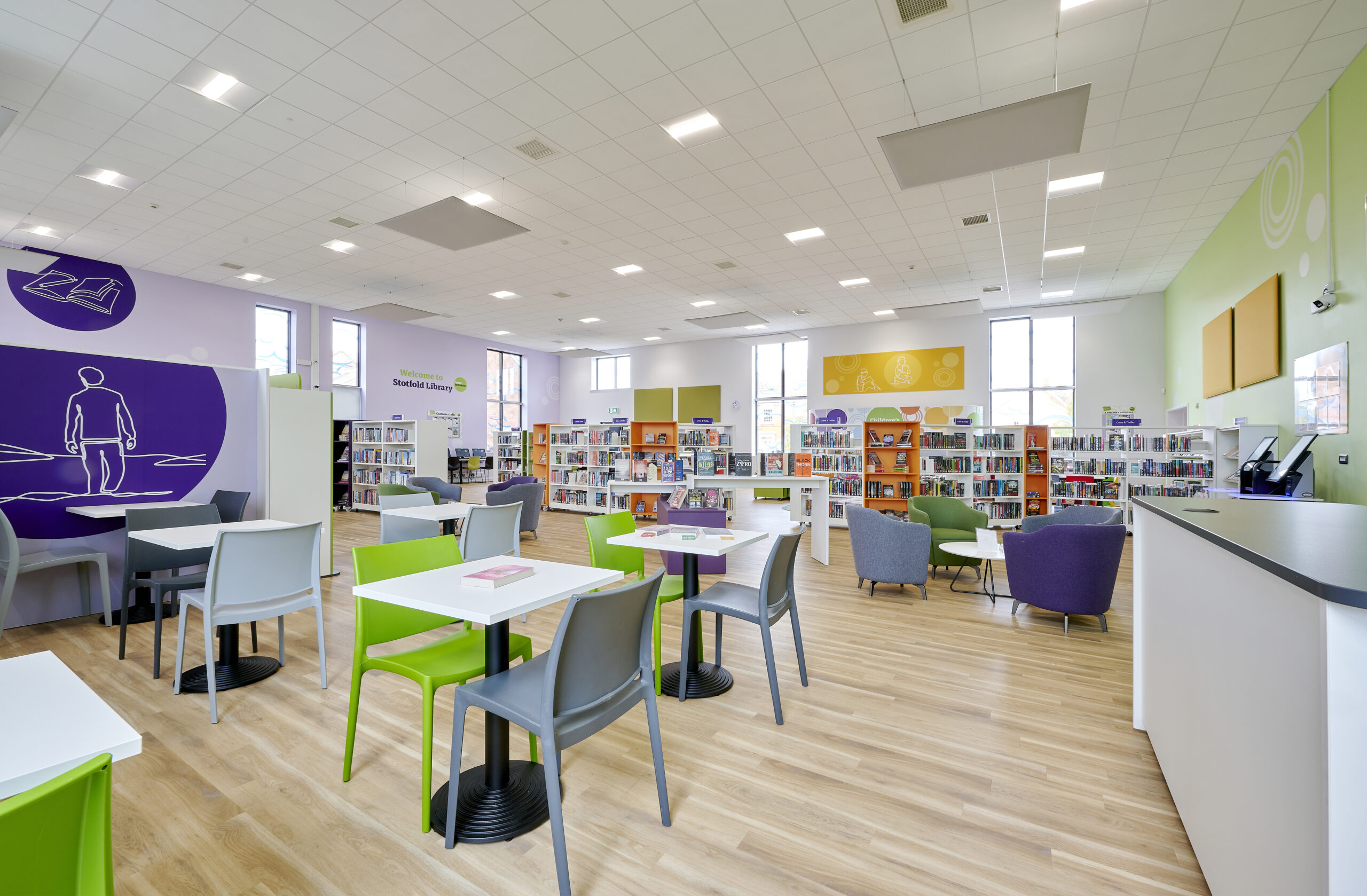
Not so long ago, libraries were defined by silence. Rows of shelving, whispered conversations, and the unmistakable rustle of turning pages was the only acceptable noise. Today, however, libraries are dynamic, multi-functional community hubs. They host group study sessions, children’s storytelling, digital learning, makerspaces, community meetings and even games-based learning.
While this evolution has made libraries more inclusive and relevant than ever, it has also introduced a significant design challenge: noise.
At FG Library, we are a UK-based library furniture designer and manufacturer. We have witnessed first-hand how the changing role of libraries has driven demand for carefully considered acoustic solutions. Modern libraries must balance vibrancy with focus. They must welcome collaboration while protecting quiet study. Most importantly, they must support the wellbeing of every user who walks through their doors.
Working in public spaces like libraries can greatly enhance wellbeing, reducing isolation, encouraging lifelong learning and providing a sense of belonging. But this is only true if the environment supports concentration and calm. Without thoughtful acoustic planning, even the most beautifully designed library can quickly become overwhelming.
If you are planning a library refurbishment, have a new build library in progress or are organising an interior redesign of your library, contact the team at FG Library to discuss how we can work together. Acoustics should be central to the conversation from the outset.
How Acoustic Solutions Influence Modern Library Design
Acoustics are no longer an afterthought in library design; they are a defining feature of successful modern spaces.
Today’s libraries need to accommodate multiple activities simultaneously. A children’s reading session might take place metres away from independent study desks. A community meeting could run alongside quiet research. Without strategic acoustic zoning, these activities compete rather than coexist.
In modern library design, acoustics influence:
- Spatial layout and zoning, defining collaborative, transitional and silent areas.
- Furniture specification, selecting pieces that absorb rather than amplify sound.
- Material choices, incorporating finishes that reduce reverberation.
- Ceiling and wall treatments, managing echo and ambient noise.
- User flow and behavioural cues, designing spaces that subtly guide how noise is managed.
From our experience delivering fully integrated interior design solutions for public and school libraries, we have found that the most successful projects begin with a holistic acoustic strategy. By manufacturing furniture in-house within the UK, we can tailor solutions to each space, ensuring that acoustic performance works hand-in-hand with aesthetics, durability and budget.
If you are in the early stages of planning, now is the ideal time to consider how acoustic design can protect your long-term investment.
Acoustic Solutions for Modern Library Designs
Below are some of the most effective acoustic solutions we integrate into contemporary library environments.
Furniture is one of the most powerful yet overlooked acoustic tools in a library.
Soft seating with integrated acoustic backs, upholstered study pods and high-backed sofas can create semi-private zones within open-plan areas. These pieces absorb sound while visually defining quieter spaces.
Acoustic-backed banquettes and curved seating arrangements can also reduce sound travel, helping to create natural buffers between active and quiet zones.
When specified correctly, acoustic furniture becomes both a design feature and a functional solution. As manufacturers, we can adapt dimensions, upholstery and acoustic ratings to suit the needs of each project.
Considering a redesign? Speak to our team about bespoke acoustic furniture manufactured here in the UK.
2. Acoustic Panels and Screens
Wall-mounted acoustic panels and freestanding screens are highly effective in reducing reverberation.
In modern libraries with high ceilings and hard surfaces, sound can travel further and linger longer. Installing acoustic wall panels, ceiling rafts or suspended baffles helps to absorb excess noise and improve speech clarity.
Freestanding screens offer flexibility, allowing libraries to reconfigure spaces as needs evolve. They are particularly valuable in school libraries where adaptability is essential.
Importantly, today’s panels are not purely functional. They can incorporate branding, colours and patterns to enhance the visual identity of the space while delivering measurable acoustic performance.
3. Meeting Booths and Study Pods
Acoustic meeting booths and study pods have become a staple of modern library design.
These enclosed or semi-enclosed units provide private areas for focused study, online meetings or small group collaboration without disturbing the wider environment.
In public libraries, pods can support job seekers attending virtual interviews or community members accessing telehealth services. In schools, they provide safe, distraction-free study areas.
By integrating ventilation, power and lighting, booths can become fully self-contained environments. This makes them a valuable asset in busy community spaces.
Explore how integrated booths and pods can transform underutilised areas into high-value, bookable study spaces.
4. Zoned Layout Design
A good library acoustic strategy begins with intelligent zoning.
By clearly defining quiet, collaborative and transitional spaces, libraries can manage sound expectations. This may involve:
- Locating children’s areas away from silent study.
- Using shelving as sound buffers.
- Introducing soft flooring in high-traffic zones.
- Designing entrance areas that absorb rather than amplify noise.
As a one stop shop for furniture manufacturing and interior design, we consider these elements together, ensuring furniture placement, finishes and structural treatments work cohesively.
5. Soft Furnishings and Finishes
Carpet tiles, upholstered wall sections, acoustic ceiling tiles and even curtain systems can significantly reduce ambient noise.
In refurbishment projects, these additions are often cost-effective ways to improve acoustic comfort without major structural change.
For councils and education panels working within defined budgets, phased acoustic upgrades can deliver noticeable improvements while maintaining financial control.
The Impact of Library Acoustics and Personal Wellbeing
Acoustics are not merely a technical specification; they are fundamental to personal wellbeing.
Research consistently shows that excessive noise reduces concentration, increases stress levels and diminishes productivity. In contrast, environments with controlled sound levels support cognitive performance and emotional comfort.
In a library context, this is particularly significant. Libraries are places of learning, reflection and community connection. They may serve as safe spaces for students, remote workers, job seekers or individuals seeking respite from busy home environments.
Poor acoustics can unintentionally exclude users who are sensitive to noise, including neurodivergent individuals. Thoughtful acoustic design therefore becomes a matter of inclusivity as well as comfort.
When designing modern libraries, we now approach acoustics as part of a wider wellbeing strategy. This includes:
- Creating calm retreat areas.
- Offering a mix of open and enclosed study options.
- Ensuring speech privacy in consultation or support spaces.
- Designing layouts that reduce sensory overload.
A well-designed acoustic library environment prioritises focus, reduces stress and enhances the overall user experience.
If your goal is to create a future-ready library that genuinely supports its community, acoustic wellbeing must be part of the brief. Contact us for more information.
Library Acoustic Solutions: Bringing It All Together
Modern libraries are no longer silent warehouses for books. They are vibrant, multi-purpose community assets. With this evolution comes responsibility: to design spaces that balance activity with calm, and collaboration with concentration.
Acoustic solutions are central to achieving this balance. From bespoke furniture manufactured in our UK facilities to fully integrated interior design strategies, we work with councils, school panels and library stakeholders to deliver cohesive, future-proof environments.
By addressing acoustics at the design stage of your library, you protect your investment, enhance user wellbeing and create spaces that serve diverse needs without compromise.
If you are planning a new library, refurbishment or phased upgrade, we would welcome the opportunity to discuss how acoustic design can elevate your project.
Get in touch with our team today to explore a tailored, end-to-end solution, from concept and manufacture to installation and beyond.