As the role of the public library continues to evolve, the spaces within them need to evolve too. Libraries now support a wider range of activities, from independent study and digital learning to community events, group activities and informal social interaction.
With decades of experience in library design and manufacture, FG Library understands that successful spaces begin with the people who use them. Every community has different needs, which means library design needs to be considered, flexible and tailored to each space.
How Modern Public Libraries Bring Communities Together
Modern public libraries can create opportunities for people to learn, meet and participate. The design of the space can support these different experiences while creating an environment that feels welcoming and connected.
Rather than designing a library around a single purpose, a people-focused approach considers the different ways a community may use the space throughout the day.
Creating Spaces for Different Ways of Learning
Learning can take many forms within a modern public library. Creating a variety of spaces allows users to choose an environment that suits them. Individual study areas can provide focus, while shared tables and collaborative zones can encourage discussion and group learning.
This flexibility helps libraries support diverse communities, from students and families to lifelong learners and local groups.
Supporting Community, Connection and Collaboration
Libraries can provide valuable opportunities for people to meet, talk and collaborate. Informal seating areas, shared tables and flexible spaces can support conversations, workshops, meetings and group activities.
Designing Inclusive and Accessible Library Spaces
Modern public libraries should feel welcoming to everyone. Accessibility therefore needs to be considered from the beginning of the design process.
For FG Library, user-focused design means considering how people move through a space, where they feel comfortable and how the environment can support different ways of learning, working and connecting.
The Impact on Public Library Design
As public libraries become more multifunctional, their design needs to respond. Successful library design begins with understanding the purpose of the space, the needs of its users and the practical requirements of the building.
FG Library combines specialist library design expertise with practical experience in space planning, bespoke furniture design and manufacture.
Find out more about our library design service
Creating Welcoming and Comfortable Environments
A modern public library should feel like a place where people want to spend time.
Comfortable seating, appropriate lighting, clear layouts and carefully considered materials all contribute to the experience. A student may spend several hours studying, while a parent may attend an activity with their child or a community group may use the space for a meeting.
Furniture should therefore form part of the wider environment. Different areas may require different solutions, but each element should contribute to a cohesive and welcoming space.
Designing Spaces for Social Interaction
Libraries are increasingly places to meet as well as places to study and read. Informal conversations, community groups, workshops and shared activities can all form part of the modern library experience.
Design can encourage these interactions by creating comfortable areas where people can gather. This does not mean every part of a library needs to be social. Instead, a considered layout provides a balance between social and quiet environments.
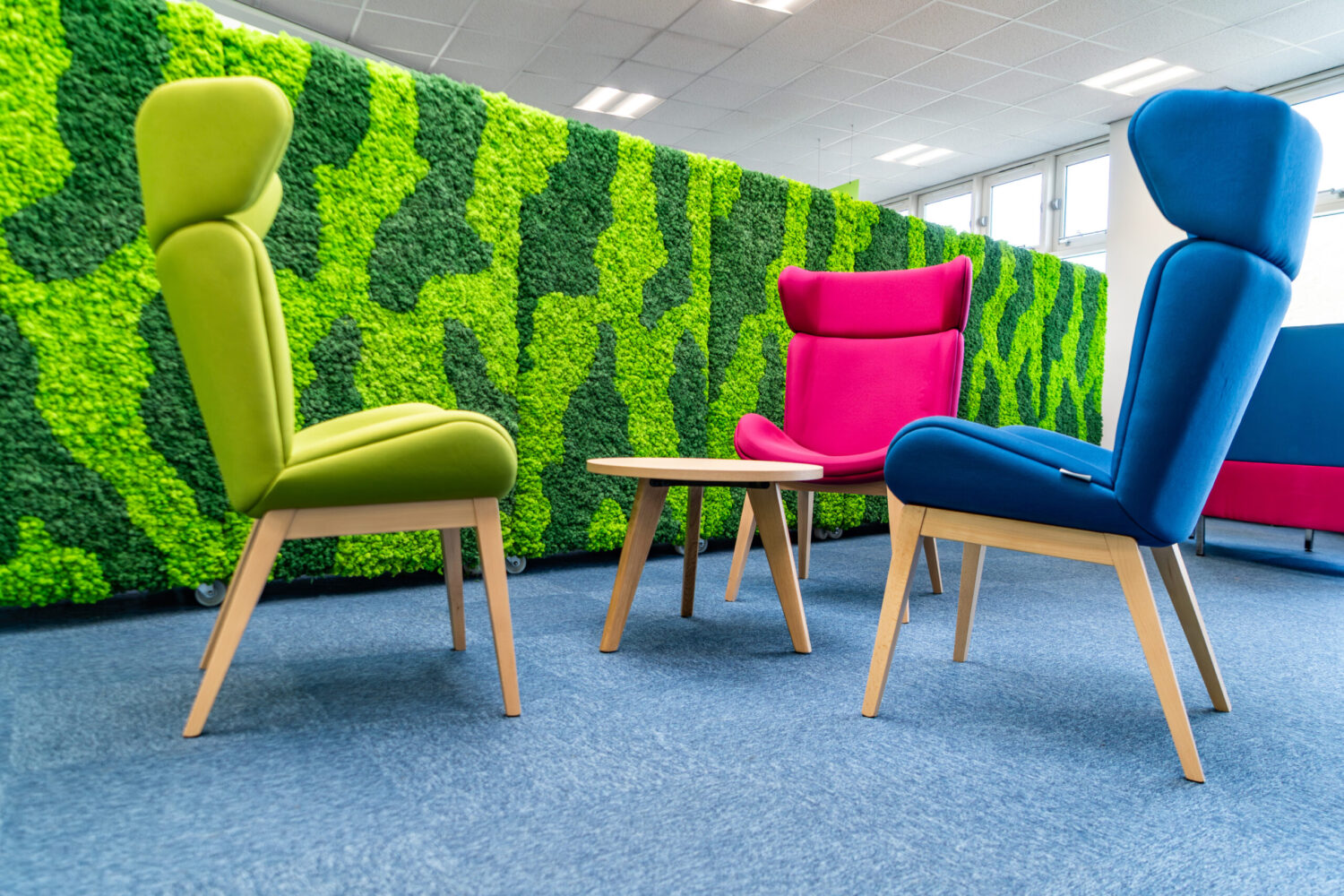
Furniture can help define these areas, from shared tables that support collaboration to informal seating that creates opportunities for conversation.
Supporting Community Activities and Events
Modern public libraries can support a wide range of community activities, including reading groups, children’s sessions, exhibitions, workshops and local meetings.
This creates a need for spaces that can accommodate different uses. A flexible area might host a workshop one day and a community event the next.
Furniture that can be moved or reconfigured makes it easier to adapt the layout, helping libraries make better use of their available space.
Designing Spaces That Can Adapt Over Time
Community needs change. Activities develop, visitor expectations evolve and new services can be introduced.
Modern public libraries therefore benefit from adaptable environments. Flexible layouts and furniture can make it easier to reconfigure a space without requiring a complete redesign.
FG Library’s flexible community spaces are designed around this principle, helping environments respond to different activities and changing requirements.
Designing for flexibility also helps libraries plan for the future. A space that can adapt is better placed to continue serving its community as needs evolve.
Balancing Quiet and Collaborative Areas
A key consideration in modern public library design is balancing quiet and collaborative spaces.
Effective space planning can help create this balance. Quiet areas can be positioned away from busier zones, while furniture and layout can provide separation between activities.
Acoustic solutions can also help manage sound and create more comfortable environments. Our library furniture can support different activities, from focused study and collaboration to relaxation and informal interaction.
Creating Modern Public Libraries That Work for Their Communities
There is no single approach to creating a successful modern public library. Every building and community has different requirements.
The starting point should always be the people who will use the space.
A well-designed library needs to bring several considerations together. It should be accessible, comfortable and easy to navigate while supporting different activities and allowing the space to adapt over time.
For FG Library, that is at the heart of good library design: creating adaptable environments where communities have a space to come together.
Modern public libraries are more than buildings filled with books. They are places to learn, discover, participate and connect. Thoughtful design can help them continue to fulfil that role for years to come.