Libraries today are busy, flexible spaces. Many support group study, quiet study, digital learning and community use all within the same environment. That mix is positive, but it does mean managing noise has become a real challenge for library teams.
At FG Library, we work with libraries that are dealing with exactly this issue. In many cases, the building itself is not the problem. It is how the space is being used day to day. That is where furniture and layout start to make a real difference.
The right furniture choices can help guide how a space feels and sounds, without the need for major building work. They can help separate activity zones, reduce noise transfer, and create a better balance between quiet and collaborative areas.
If you are looking at ways to improve acoustics in your library, we can help you explore practical options that work within your space and budget. Contact FG Library to find out more.
Why Balancing Library Acoustics is Becoming a Growing Challenge
Libraries are being asked to do more than ever before. They are study spaces, meeting points, learning hubs and community environments all at once. That naturally brings more activity and more noise.
Increased usage and evolving library roles
Most libraries now support a mix of activities throughout the day. You might have:
- Students revising in silence
- Groups working together
- Computer use and digital learning
- Community sessions or events
All of this is happening in shared space, often without physical separation. That is where acoustic pressure builds.
At FG Library, we see this regularly when working with library managers. Spaces that worked well in the past can start to feel less controlled as usage increases, even if the layout has not changed.
Library budget pressures
Budget is always part of the conversation. Acoustic improvements are often seen as expensive, especially when people immediately think of building works or specialist installations.
But in many cases, libraries are looking for improvements that are realistic within existing funding. That is where furniture-led solutions become important.
At FG Library, we focus on approaches that do not rely on major structural change. Instead, we look at how the space can be improved using what is already there, supported by the right furniture choices.
The Impact of Poor Library Acoustics on Users And Staff
When acoustics are not working well, it affects the whole experience of the library.
We often hear the same challenges:
- Students struggling to concentrate
- Staff having to constantly manage noise levels
- Quieter users feeling discouraged from staying
Over time, this can change how the space is used. Areas that should support focused work can become harder to use effectively.
At FG Library, we help libraries address this by looking at how furniture and layout can support better sound control. Small changes in positioning, zoning and furniture type can make a noticeable difference without disrupting the whole space.
How Furniture Plays A Role In Balancing Library Acoustics
Furniture is often seen as functional, something that fills a space. But in libraries, it plays a much bigger role in how the environment actually works.
Defining acoustic zoning through furniture placement
One of the most effective ways to manage noise is to create clear zones within the library.
Shelving, seating and layout can all help guide how sound moves through a space. Instead of relying on walls, furniture can be used to separate:
- Quiet study areas
- Group work zones
- Open access areas
In open-plan libraries especially, this becomes important. Without any natural structure, sound spreads quickly. Furniture helps slow that down and gives the space more definition.
At FG Library, we design layouts that make this feel natural, not forced, so users move through the space intuitively.
Soft materials and sound-absorbing design features
Materials matter. Hard surfaces reflect sound, while softer finishes help reduce it.
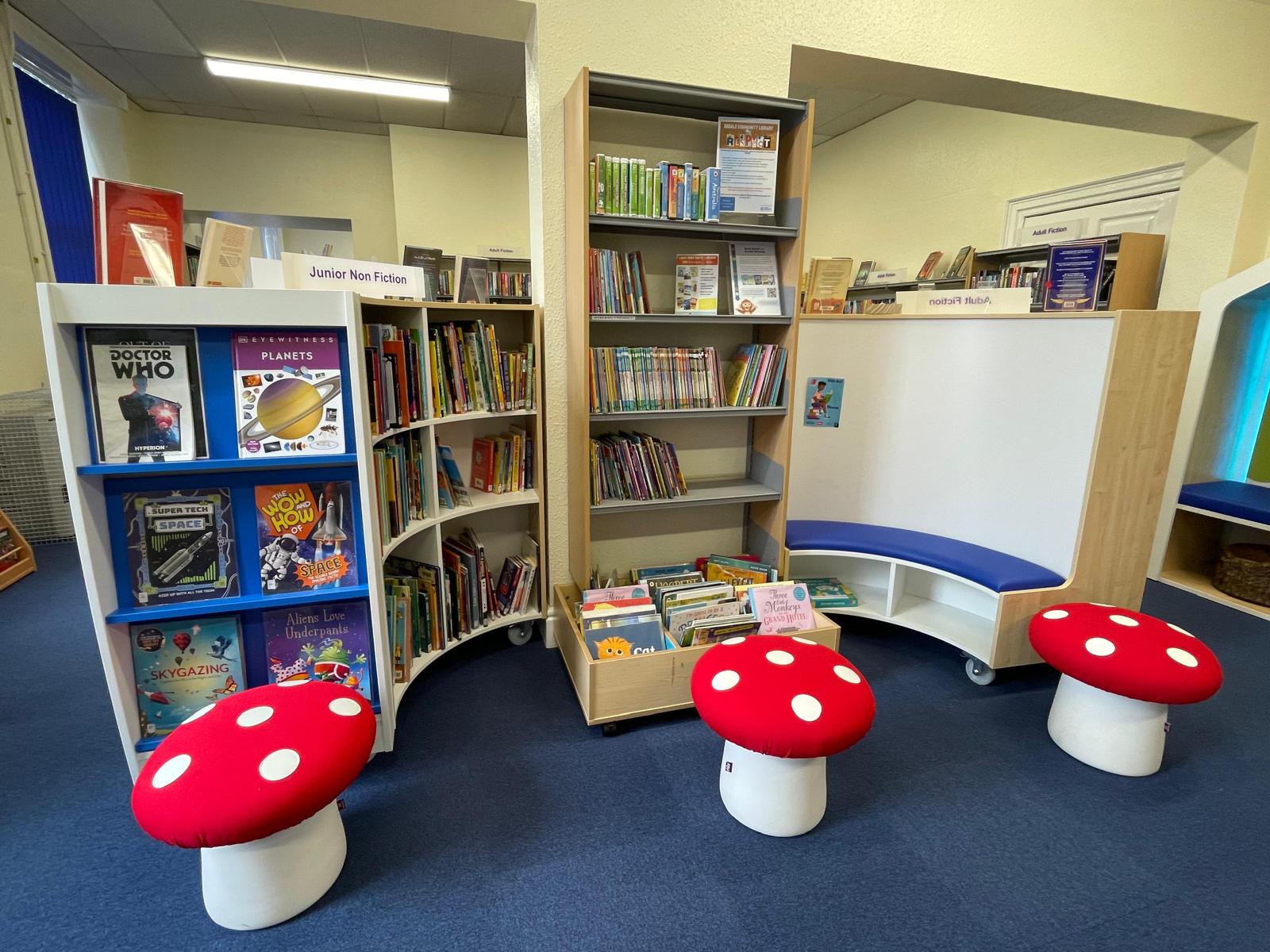
Upholstered seating, acoustic-friendly panels and thoughtfully specified furniture can all help soften the overall environment. This does not remove noise completely, but it helps make the space more comfortable to use.
We often encourage libraries to think about furniture as part of their acoustic approach, not separate from it.
Flexible layouts that adapt to changing noise levels
Libraries do not stay the same throughout the day. A quiet morning can turn into a busy afternoon very quickly.
Flexible furniture layouts allow spaces to adapt to that change. Movable seating, modular shelving and reconfigurable layouts mean the library can respond to different levels of use.
At FG Library, we build this flexibility into our designs so libraries can stay usable in different situations without constant redesign.
FG Library’s Approach To Acoustic-Focused Library Furniture
At FG Library, we do not treat acoustics as a separate problem to solve. We look at how the whole space works together, including layout, furniture and user behaviour.
Library furniture designed with both function and acoustics in mind
When you work with FG Library, we consider acoustics from the earliest design stage.
That means thinking about how furniture affects:
- How Sound Travels
- How Spaces Are Divided
- How Users Interact With The Environment
We focus on solutions that are practical first, while still delivering a strong visual and functional result.
Tailored furniture for real library environments
Every library is different. Some are busy open-plan spaces, others are smaller and more traditional. The challenges are not the same.
We design around:
- How The Space Is Used
- Where Noise Issues Occur
- How Staff And Users Move Through It
- What Budget Is Available
That way, the solution fits the reality of the environment rather than forcing a generic layout onto it.
Supporting library managers in making informed investment decisions
We understand that every decision needs to be justified. Budgets are limited and expectations are high.
At FG Library, we focus on long-term value. That means:
- Durable furniture that lasts
- Layouts that can adapt over time
- Improvements that do not require full refurbishment
We help library managers make decisions that are practical, sustainable and easy to defend internally.
Explore Furniture Designed To Balance Library Acoustics
If you are exploring ways to improve acoustics in your library, furniture is often one of the most effective starting points.
FG Library Acoustic Library Furniture Solutions
Acoustics are now a core part of library design. They affect how people use the space, how long they stay, and how comfortable it feels.
At FG Library, we help libraries take a practical, considered approach to this. We focus on what will actually work in the real world, not just what looks good on paper.
If you would like to explore options for your library, we are happy to help.